

A reading list can become another collection of things you feel you ought to finish. The pile grows, the bookmark stays put, and an activity you once enjoyed starts to resemble an overdue task. A more useful shelf begins with the kind of attention you have available. Some evenings call for a few reflective pages, while a free afternoon might leave room to follow a story or try an idea in the kitchen.
The six books here are different enough to serve those different moments. They include approaches to habits and time, reflections on creative work, essays about the living world, a cooking reference, and a short work of fiction. This is a selection guide rather than a claim that every title will suit every reader. Read a sample, consider what interests you now, and let an unfinished book remain an option rather than a personal failure.
Match the book to the occasion for reading
Think about where the book will actually be opened before choosing a format. A substantial illustrated cooking book may earn its space on a counter, while a paperback can be easier to carry on an ordinary journey. If you read in short bursts, a clear stopping point may matter more than the number of pages. Audiobooks and ebooks are worthwhile alternatives when they fit your habits, but check the specific edition rather than assuming all formats include the same visual material.
The linked Bookshop.org listings identify particular editions, and formats, stock, prices, and delivery options can change. A library copy or a bookseller’s sample is also a sensible way to discover whether an author’s approach suits you. For a gift, consider the recipient’s interests rather than using a title to send unsolicited advice about how they should live. A book feels more welcoming when it opens a conversation instead of assigning one.
1. Atomic Habits for one manageable experiment

See Atomic Habits — James Clear at the merchant ↗
Atomic Habits — James Clear
Small changes in the way everyday actions are arranged.
Before choosing Check the selected format, edition, delivery region and current seller terms.
View product & options Price, availability and terms are set by the merchant.James Clear’s Atomic Habits focuses on everyday behavior and the systems around it. It may appeal to someone who wants a practical way to think about repeated actions rather than a dramatic new beginning. The relevant purchase question is whether you enjoy a structured, explanatory style with ideas to try. Reading the book does not guarantee that an unwanted habit will disappear or that a difficult circumstance will become easy to change.
A useful way to approach it is to choose one ordinary action while reading, such as putting a book beside the chair where you take a break. Notice the point at which the action becomes inconvenient, then make one small adjustment rather than rebuilding an entire day. Keep your own circumstances in view, including unpredictable work, caring responsibilities, and limited space. Let the book supply a way of observing your routine without turning every part of life into a project that requires measurement.
2. Four Thousand Weeks for questioning the crowded calendar
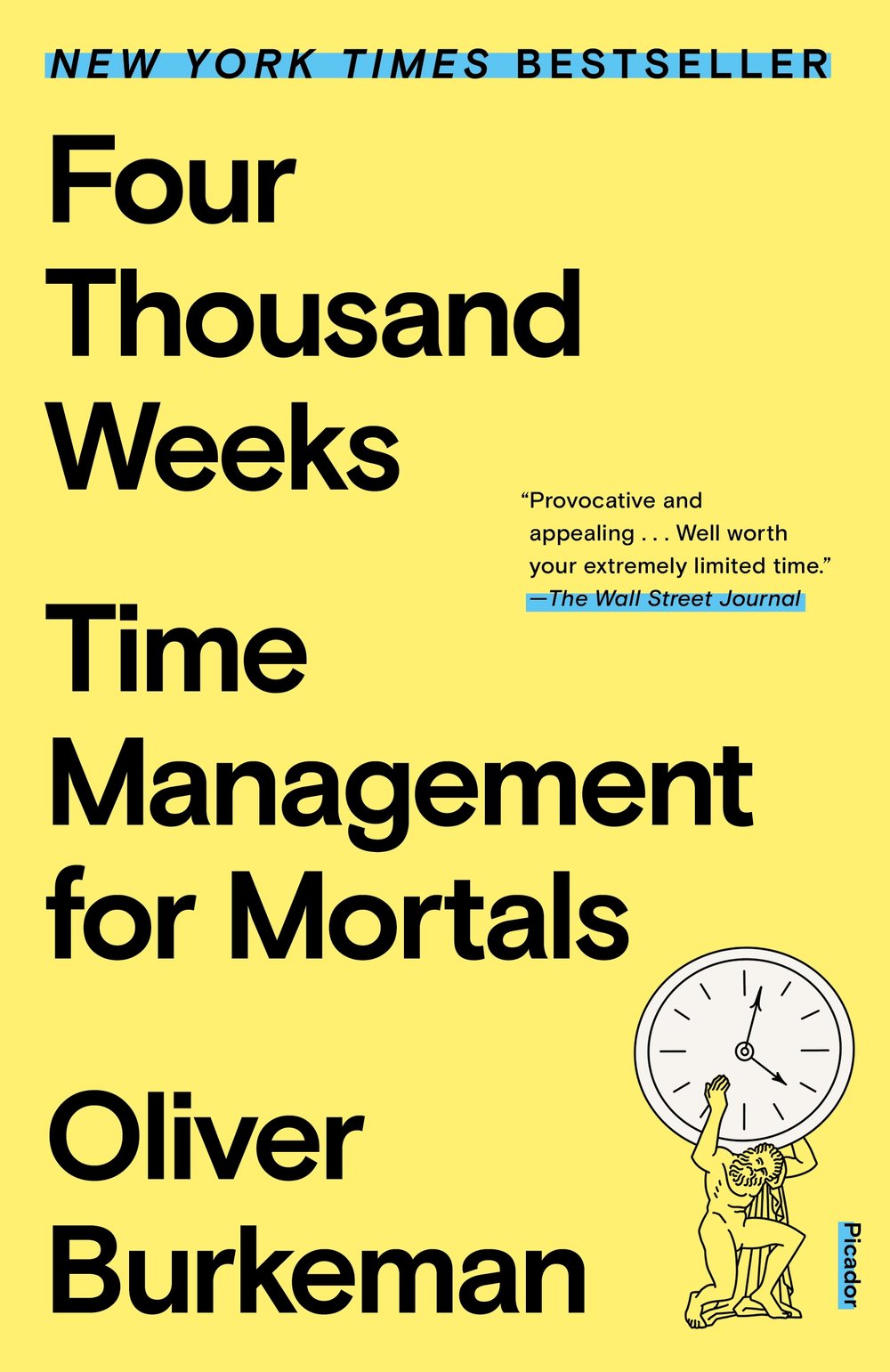
See Four Thousand Weeks — Oliver Burkeman at the merchant ↗
Four Thousand Weeks — Oliver Burkeman
A different question about how much a day can reasonably hold.
Before choosing Check the selected format, edition, delivery region and current seller terms.
View product & options Price, availability and terms are set by the merchant.Oliver Burkeman’s Four Thousand Weeks approaches time from the fact that a life has limits. It is a different proposition from a planner that promises room for every ambition if you organize carefully enough. The book can be worth considering when the wish to become more efficient has itself started taking up too much attention. Its subject invites reflection on choices and tradeoffs, rather than providing a universal schedule for everyone to follow.
Try reading a chapter before deciding what you intend to add to your week. You might instead notice an obligation you can renegotiate or a pleasant activity that keeps being postponed until everything else is complete. Those are questions for your own circumstances, not instructions to abandon commitments that matter to other people. If you prefer a step-by-step workbook, read a sample first, because an essay-driven argument about time offers a different kind of company from a detailed organizational system.
3. The Creative Act for the space around making things
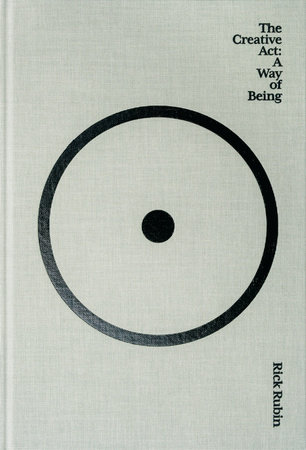
See The Creative Act: A Way of Being — Rick Rubin at the merchant ↗
The Creative Act: A Way of Being — Rick Rubin
Short reflections to take alongside a creative practice.
Before choosing Check the selected format, edition, delivery region and current seller terms.
View product & options Price, availability and terms are set by the merchant.Rick Rubin’s The Creative Act: A Way of Being considers creativity as a way of noticing and working, drawing on the perspective of a music producer. You do not need to be making a record to be interested in that perspective. It can sit beside an existing practice, whether you sketch, write, arrange flowers, or build something in a small workshop. Expect reflections on the creative process rather than a technical manual for mastering a particular craft.
Read a small amount before doing the thing you already enjoy, then set the book aside and make something. A passage can be a prompt to observe your surroundings, but it does not need to become a rule you must obey. If an idea feels too abstract, leave it and return to the practical problem in front of you. The useful comparison is whether this style encourages your curiosity; another reader may prefer a hands-on instruction book with diagrams, exercises, and specific examples.
4. Braiding Sweetgrass for paying closer attention

See Braiding Sweetgrass — Robin Wall Kimmerer at the merchant ↗
Braiding Sweetgrass — Robin Wall Kimmerer
Essays connecting attention, reciprocity and the living world.
Before choosing Check the selected format, edition, delivery region and current seller terms.
View product & options Price, availability and terms are set by the merchant.Robin Wall Kimmerer’s Braiding Sweetgrass brings together her perspectives as a botanist, a writer, and a member of the Citizen Potawatomi Nation. The essays explore the living world alongside questions of gratitude and reciprocity. It is worth approaching the author’s cultural context with the same attention you bring to the plants and places she describes. This is a work to read on its own terms, rather than a collection of decorative quotations about getting outside.
Leave time between essays instead of trying to extract a quick personal improvement lesson from each one. You could follow a reading session by learning the name of a nearby tree, noticing a seasonal change, or researching the history of a local place through appropriate sources. Those are suggestions for extending your own attention, not substitutes for the knowledge in the book. Readers seeking a field identification guide or instructions for maintaining houseplants should choose a reference designed for that purpose alongside it.
5. Salt, Fat, Acid, Heat for understanding a familiar meal

See Salt, Fat, Acid, Heat — Samin Nosrat at the merchant ↗
Salt, Fat, Acid, Heat — Samin Nosrat
Cooking principles to revisit while making ordinary meals.
Before choosing Check the selected format, edition, delivery region and current seller terms.
View product & options Price, availability and terms are set by the merchant.Samin Nosrat’s Salt, Fat, Acid, Heat explores four elements of cooking, with illustrations by Wendy MacNaughton. Its appeal is the opportunity to understand decisions behind a meal instead of collecting another long list of dishes to reproduce. It may suit a curious home cook who enjoys asking why a sauce seems flat or why a particular cooking method changes texture. Check a sample to see whether the balance of explanation and recipes matches the way you like to learn.
Start with a meal you already cook rather than buying ingredients for several unfamiliar recipes at once. Read the relevant section, make a note of one question, and pay attention to what changes when you adjust a single element. Dietary needs, allergies, food safety, and the equipment you own still govern what is sensible for your household. Keep your observations separate from the author’s instructions, so returning to the book becomes a conversation with your own experience rather than an attempt to achieve an imaginary perfect dinner.
6. A Psalm for the Wild-Built for a different pace
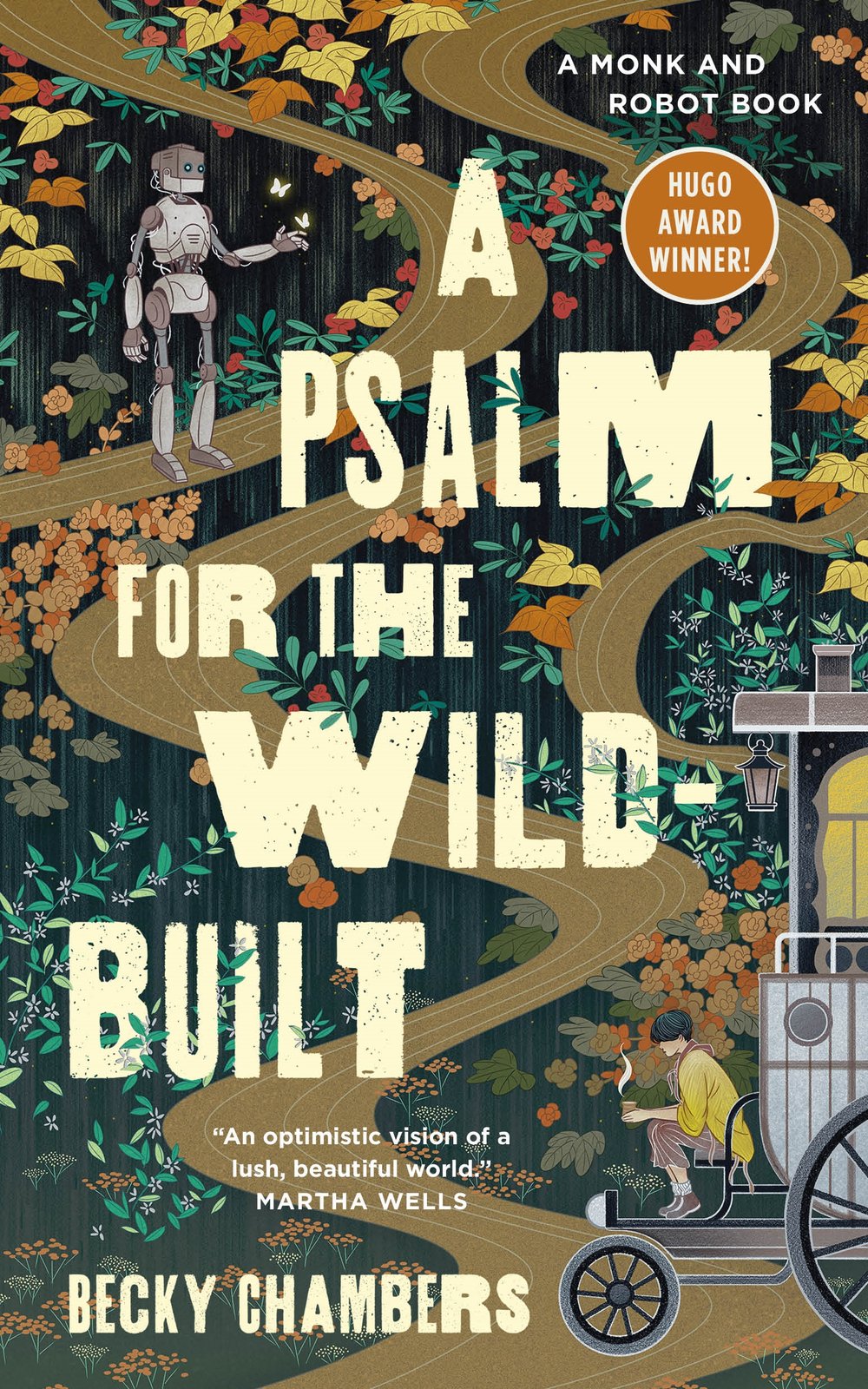
See A Psalm for the Wild-Built — Becky Chambers at the merchant ↗
A Psalm for the Wild-Built — Becky Chambers
A short work of fiction that makes room for questions rather than a checklist.
Before choosing This is the first Monk and Robot book; check the edition and format.
View product & options Price, availability and terms are set by the merchant.Becky Chambers’s A Psalm for the Wild-Built is the first Monk and Robot book, a work of speculative fiction built around an encounter between a tea monk and a robot. It offers a change of reading mode after books that discuss habits, time, and creative work directly. The premise makes space for questions about what people need without requiring the reader to turn those questions into a plan. Choose it because the story interests you, rather than expecting fiction to produce a particular emotional result.
Give yourself permission to follow the characters before deciding what the book means for your own life. You can read a few pages at a time, or keep an uninterrupted afternoon if that is how you prefer to enter a fictional world. If you intend to give it to someone, mention that it is part of a series while avoiding a detailed explanation of the plot. A brief personal note about why the premise caught your attention leaves the recipient room to discover their own reasons for enjoying it.
Make a shelf that reflects your actual interests
There is no requirement to work through this list in order or to buy all six books. One title you repeatedly open can be a better purchase than a coordinated stack that mostly serves as decoration. Keep a note of books you are curious about and revisit it after a week before ordering. That small pause can distinguish a passing recommendation from a subject you actually want to spend time with.
Once a book is home, make it easy to return to without creating another obligation. Leave a bookmark where you stopped, write a short note if something catches your attention, and allow yourself to change reading modes when your circumstances change. Practical advice can wait while you enjoy a story, and a story can wait while you cook dinner. The aim is to make reading available within a real life, with room for interest to lead the way.
Sources & selection notes
Published product information was researched in October 2026. These are reference sources, not evidence of hands-on testing. Confirm current specifications and terms with the merchant.
- James Clear — Atomic Habits — James Clear
- Oliver Burkeman — Four Thousand Weeks — Oliver Burkeman
- Rick Rubin — The Creative Act: A Way of Being — Rick Rubin
- Robin Wall Kimmerer — Braiding Sweetgrass — Robin Wall Kimmerer
- Samin Nosrat — Salt, Fat, Acid, Heat — Samin Nosrat
- Becky Chambers — A Psalm for the Wild-Built — Becky Chambers